Why More Pet Owners Are Choosing Nutraceutical Pet Treats for Everyday Health
@nutraceuticalpettreatsjournal
October 11, 2026 · 7 min read
I remember the first time I watched my old Labrador, Max, struggle to stand up after a nap. He was only seven, but his hips were already stiff, and that slow, careful walk told me something was off. A friend who worked in veterinary nutrition suggested I look into functional treats rather than just changing his food. That was my introduction to what the industry now calls nutraceutical pet treats, and honestly, it changed how I think about caring for animals.
Nutraceutical pet treats sit somewhere between a snack and a supplement. They are not medicine, but they are not empty calories either. They deliver targeted nutrients in a form most dogs and cats actually enjoy, which makes compliance far easier than trying to hide a pill in peanut butter. Over the past few years I have seen these products move from specialty shelves into mainstream pet stores, and the range of conditions they address has expanded significantly.
What Makes a Treat Nutraceutical?
The term combines nutrition and pharmaceutical, but do not let the name intimidate you. A nutraceutical treat is simply a delivery vehicle for compounds that support health beyond basic nutrition. Think of it as a soft chew or biscuit fortified with ingredients like glucosamine, chondroitin, omega-3 fatty acids, or probiotics. The goal is to address a specific need, joint health, digestive balance, skin and coat condition, anxiety relief, or allergy support, in a way that fits into a pet's daily routine.
One of the first things I learned is that quality varies widely. Some products load up on filler and call it functional. Others use organic ingredients and back their formulas with research. When I started looking for something for Max, I focused on treats that listed the active compounds clearly and avoided artificial preservatives. That led me to a brand that used green-lipped mussel powder alongside glucosamine and chondroitin, a combination that made a noticeable difference in his mobility within about six weeks.
Joint Health and Mobility
Joint problems are incredibly common in dogs, especially larger breeds. Hip dysplasia, arthritis, and general stiffness affect quality of life long before they become visible. Nutraceutical pet treats formulated for joint health often contain glucosamine, chondroitin, and green-lipped mussel, which provide the building blocks for cartilage repair and help reduce inflammation. Some also include turmeric for its anti-inflammatory properties and hemp seed oil, which adds omega-3s in a form many dogs tolerate well.
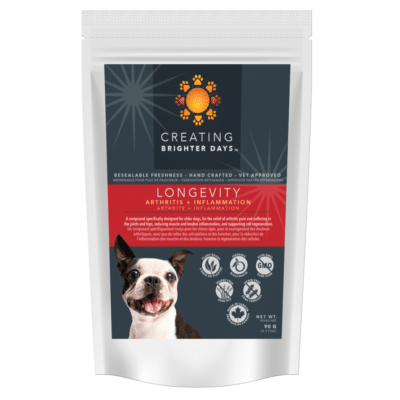
I have seen owners report that their senior dogs start jumping onto the couch again after a few months on a good joint treat. That said, these are not instant fixes. The compounds need time to accumulate in the body, and results depend on the severity of the condition. For a dog with mild stiffness, a daily joint treat might be enough. For one with advanced arthritis, it should probably complement veterinary care, not replace it.
Gut Health and Immune Support
Probiotics have become a staple in human nutrition, and they work similarly in pets. A healthy gut microbiome supports digestion, nutrient absorption, and immune function. Many nutraceutical pet treats now include strains of beneficial bacteria alongside prebiotic fibers. I have seen this help with dogs that have sensitive stomachs or chronic soft stool. It is not a cure-all, but it tilts the balance in favor of good bacteria.
Antioxidants also play a role here. Ingredients like salmon oil and turmeric provide compounds that fight oxidative stress, which can weaken the immune system over time. For pets with seasonal allergies or environmental sensitivities, a treat that combines probiotics with omega-3 fatty acids and antioxidants can reduce the inflammatory response. It is a gentler approach than medication, and one that many holistic veterinarians now recommend as a first step.
Anxiety and Behavioral Support
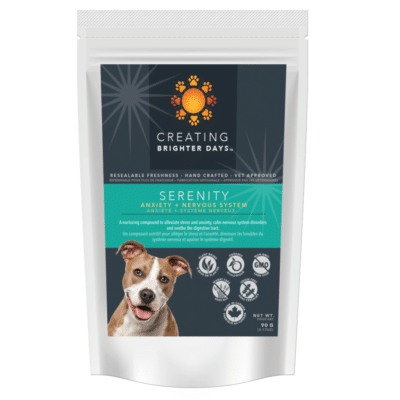
Anxiety in pets shows up in many ways, destructive chewing, excessive barking, hiding, or pacing. While training and environmental changes are the primary tools, certain nutraceutical pet treats can help take the edge off. Ingredients like hemp seed oil and CBD, where legal and appropriate, have shown promise for calming nervous animals without sedation. I have used a CBD-infused treat for a friend's rescue dog that could not relax during thunderstorms, and the difference was striking. The dog still knew a storm was happening, but he did not tremble or try to hide under the bed.
It is important to note that not all calming treats are equal. Some rely on melatonin, which can disrupt natural sleep cycles if used long term. Others use L-tryptophan or casein, which are milder but less studied in dogs. A good rule is to look for products that list the source and dosage of active ingredients, and to start with a low dose to see how the pet responds.
Dental Health and Functional Treats
Dental chews are one of the oldest categories of functional treats, but they have evolved. Early versions were basically rawhide with minimal benefit. Today, many nutraceutical pet treats designed for dental health include enzymes that break down plaque, chlorophyll for breath freshening, and even probiotics that target oral bacteria. The mechanical action of chewing still helps scrape tartar, but the added ingredients take it a step further.
I have found that dental chews work best when used consistently, not just as an occasional treat. They also need to be sized correctly for the animal. A small dog chewing on a large hard chew can crack a tooth. Conversely, a large dog given a tiny soft chew will swallow it whole and get no dental benefit. Pay attention to the texture and duration of chewing the product is designed for.
Allergy Support and Skin Health
Allergies in pets often manifest as itchy skin, ear infections, or hot spots. While the root cause might be environmental or dietary, nutraceutical pet treats can help manage the symptoms. Salmon oil is rich in omega-3 fatty acids, which reduce inflammation and improve coat quality. I have seen dogs with chronic dry skin develop a glossy, healthy coat after a few months on a salmon oil treat. Some treats also include probiotics and quercetin, a plant compound that stabilizes mast cells and reduces histamine release.
The key is patience. Allergy support treats do not work overnight. They modulate the immune system gradually, and it can take up to twelve weeks to see a full effect. During that time, it helps to keep a journal of symptoms so you can track changes objectively.
Choosing the Right Treat
With so many options on the market, picking a nutraceutical pet treat can feel overwhelming. I have learned to focus on a few criteria. First, look for transparency. A reputable manufacturer will list the exact amount of each active ingredient, not just a proprietary blend. Second, consider the source. Organic ingredients are preferable, but not always necessary. What matters more is that the ingredients are tested for contaminants and that the company uses good manufacturing practices. Third, match the treat to the specific need. A joint treat will not help with anxiety, and a calming treat will not rebuild cartilage.
One brand I have come to trust sells through kushstation.co, which carries a curated selection of pet health products including nutraceutical pet treats. Their inventory includes options for joint health, anxiety relief, and digestive support, all with clear labeling and third-party testing. I appreciate that they do not just stock everything; they seem to vet each product for quality and relevance.
Realistic Expectations
Nutraceutical pet treats are tools, not miracles. They work best as part of a broader care routine that includes proper diet, regular exercise, and veterinary checkups. I have seen owners expect a treat to reverse years of poor nutrition or neglect, and that is just not realistic. The treats support the body's own processes; they do not override them.

That said, when used appropriately, they can make a real difference. Max got another two good years of comfortable mobility thanks to a combination of joint treats, weight management, and gentle exercise. I do not credit the treats alone, but they were a key part of the equation.
If you are considering nutraceutical pet treats for your own animal, start by identifying the primary concern. Talk to your vet, especially if your pet has an existing condition or takes medication. Then choose a product with clean ingredients and a reasonable dosage. Give it at least a month, and pay attention to changes in behavior, movement, and overall demeanor. You might be surprised how much a small daily ritual can improve your pet's quality of life.